October 01, 2026
Water That Brews Great Tasting Coffee Without Scaling Your Espresso Machine
The minerals that give espresso its flavour also build scale...

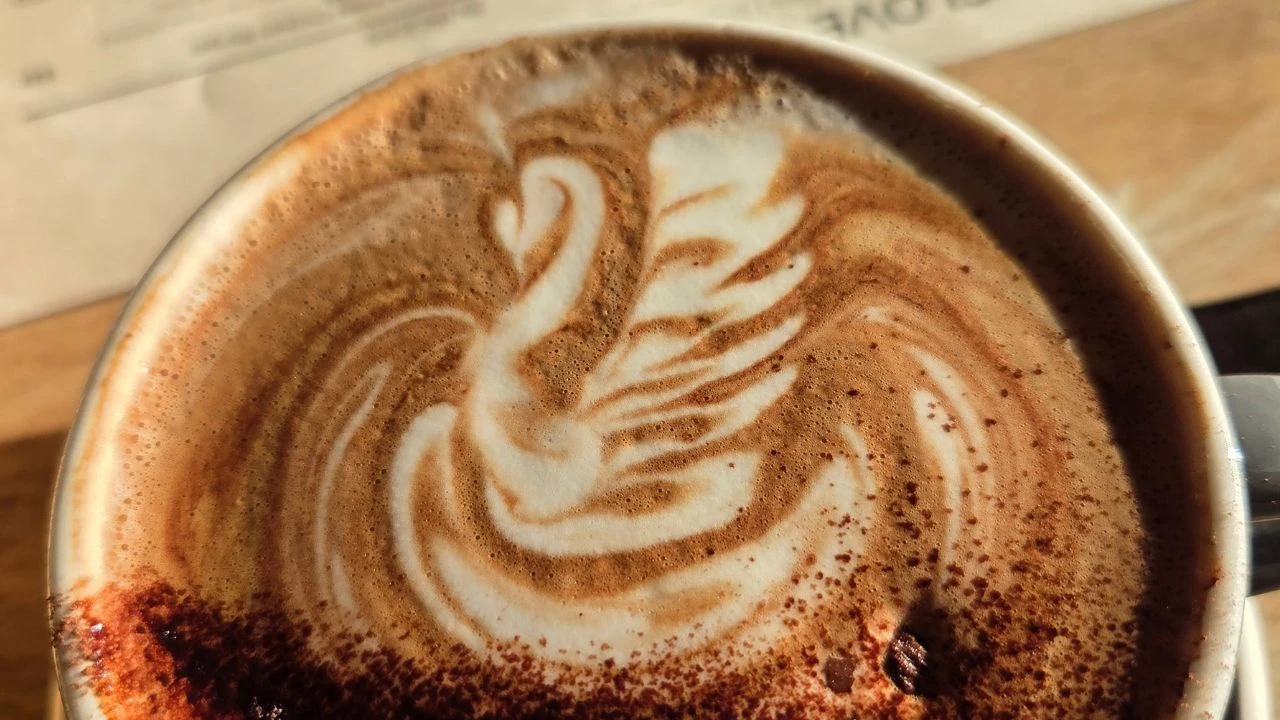
If you brew your own espresso coffee at home, there’s one ingredient which you probably don't shop around for...
water.
A shot of espresso is around 90% water, and that shot [or multiple of them] is the base of every flat white, mocha, or cappuccino. You can spend a small fortune on beans and a grinder and still fill the machine with whatever water comes out of the tap. That water decides how your coffee tastes and how long your machine lasts.
The catch is that the minerals that help the flavour are the same ones that build scale inside the machine, so fixing one problem usually creates another.
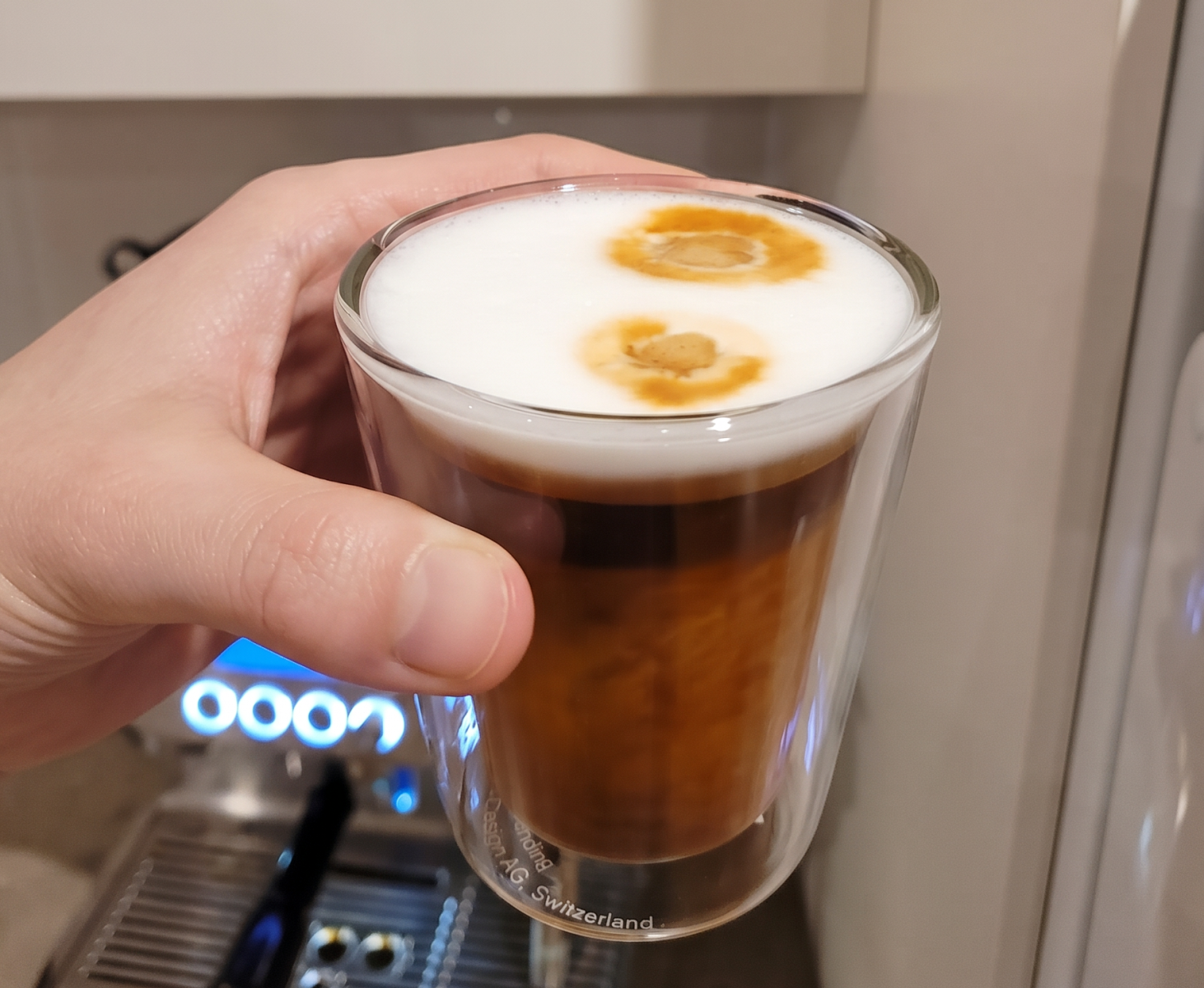
The minerals in your water act like magnets for flavour. As the water runs through the coffee, calcium and magnesium grab hold of the flavour in the grounds and carry it into your cup, which is why water with almost no minerals in it makes flat, thin coffee.
Dr Adam Carr, the scientist at Seven Miles Coffee Roasters, spent 10 months testing espresso with UNSW and found the mineral level in the water had a clear effect on how it tasted. Flavour peaked at about 60 mg/L of hardness (milligrams per litre, the unit water suppliers use). In his words, "The problem with stripping down water is that you remove a lot of its good qualities."
The Specialty Coffee Association, which sets the standards that cafés and coffee judges work to, recommends hardness between 50 and 175 mg/L. These minerals which you want in your water for flavour are the same ones that can be damaging to your coffee machine.
Chlorine is the other thing in tap water that affects taste. It's there to keep the water safe on the way to your house, but coffee and tea both pick up its taste, which is why the Specialty Coffee Association recommends brewing with water that is free of chlorine.
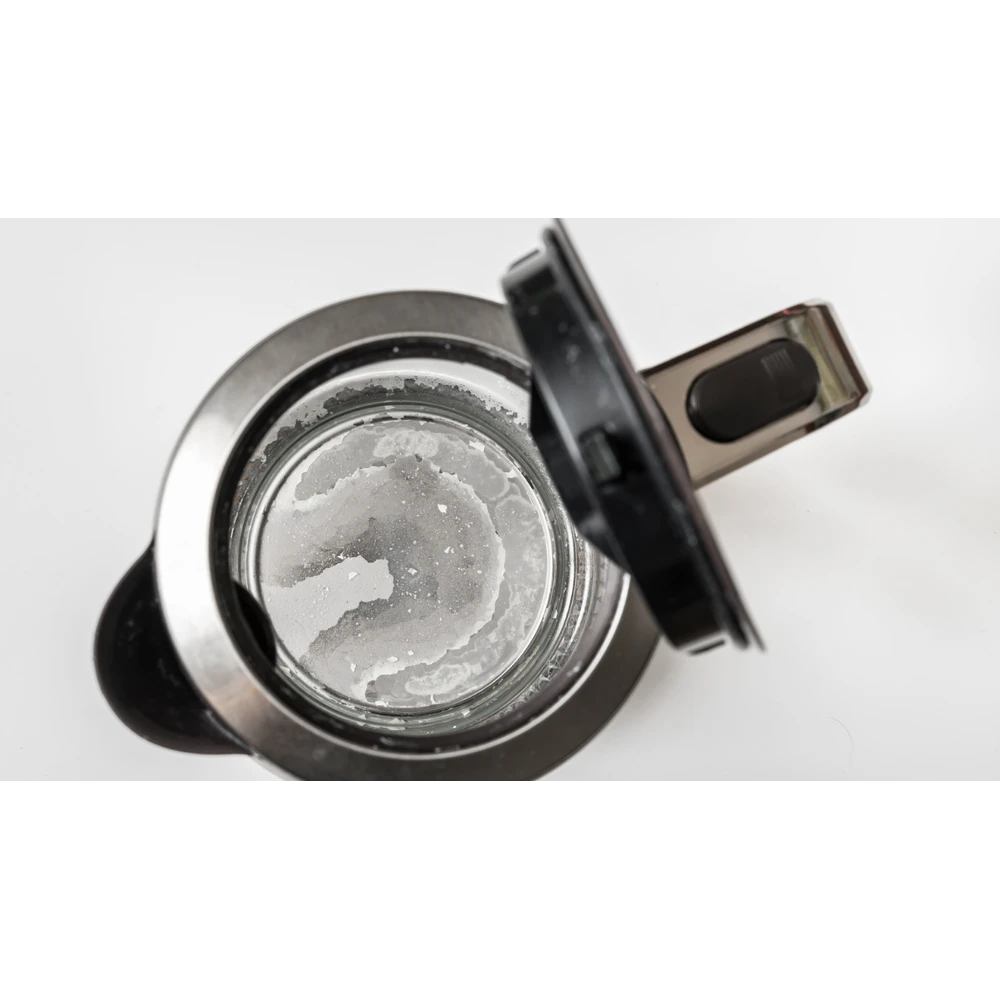
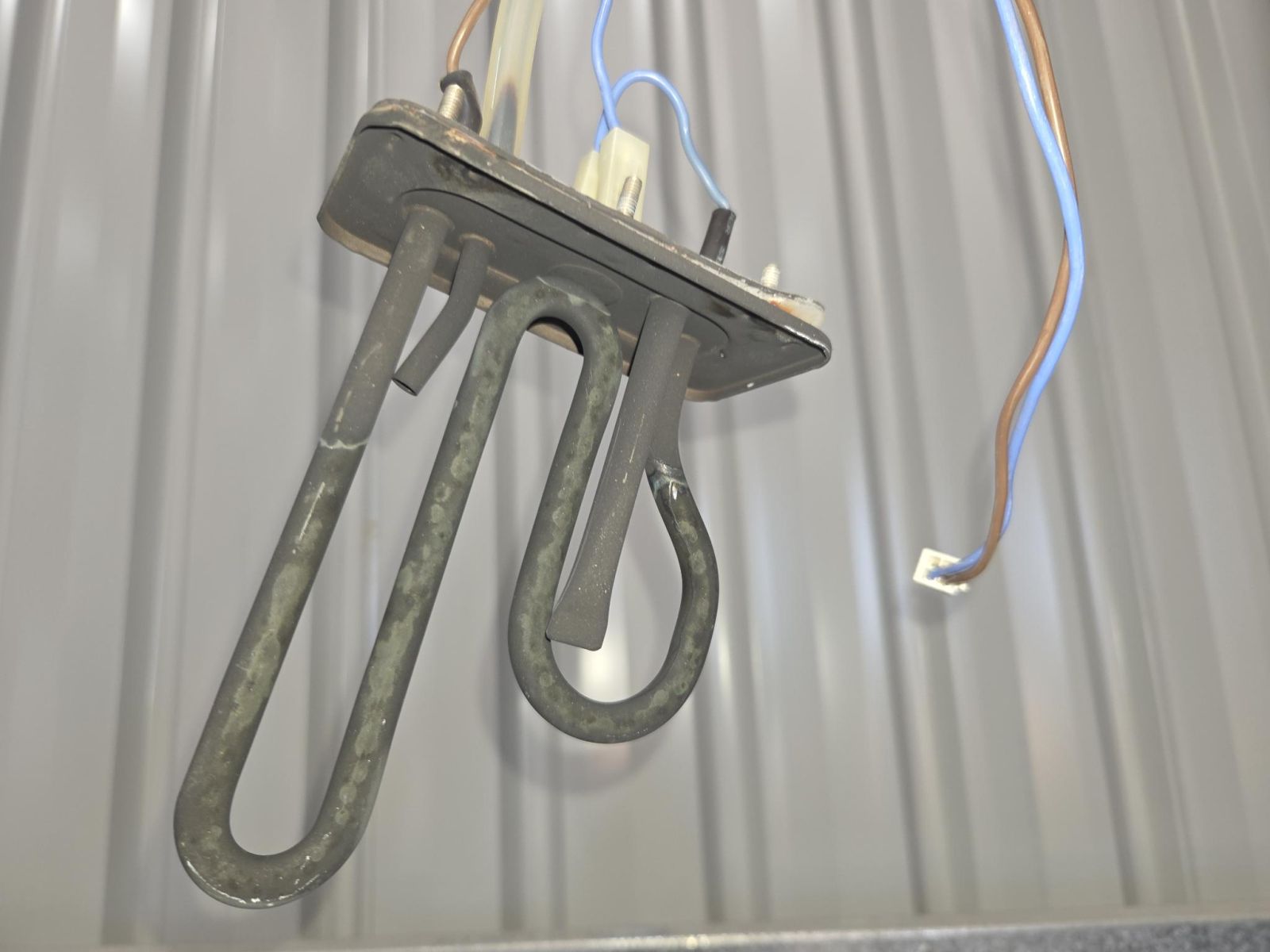
When hard water is heated, calcium and magnesium come out of the water and set hard on the hottest surfaces, which in a coffee machine is the boiler tank and the heating element. The element then has to heat through a layer of scale, so it runs hotter and works harder, and that makes scale one of the most common reasons elements burn out. Swiss coffee machine maker JURA warns that limescale slows heating and "may even cause the machine to break down completely". We see the same thing firsthand. Aquastream are service agents for Zip and Billi boiling water taps, and we often see burnt-out heating elements as a direct result of hard water scale.
Most ways of stopping scale take the minerals out of your water, and the one that doesn't, adds something instead.
You end up in a tug of war. Protect the machine and the coffee can taste flatter, or keep the minerals for flavour and let the machine scale up.
Hardness varies a lot around Australia. Adelaide and much of Perth have hard water, while Melbourne and Hobart have some of the softest water in the country. To find your own figure, search "water hardness" and your suburb, or ask AI.
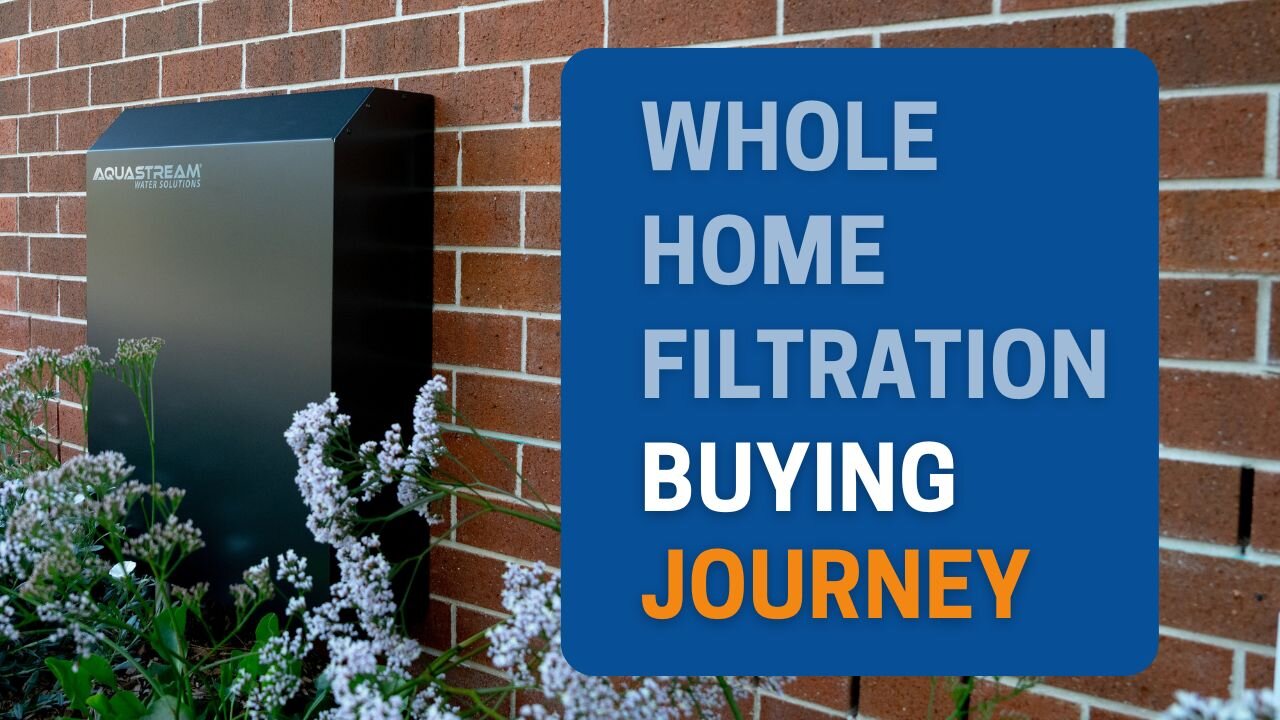
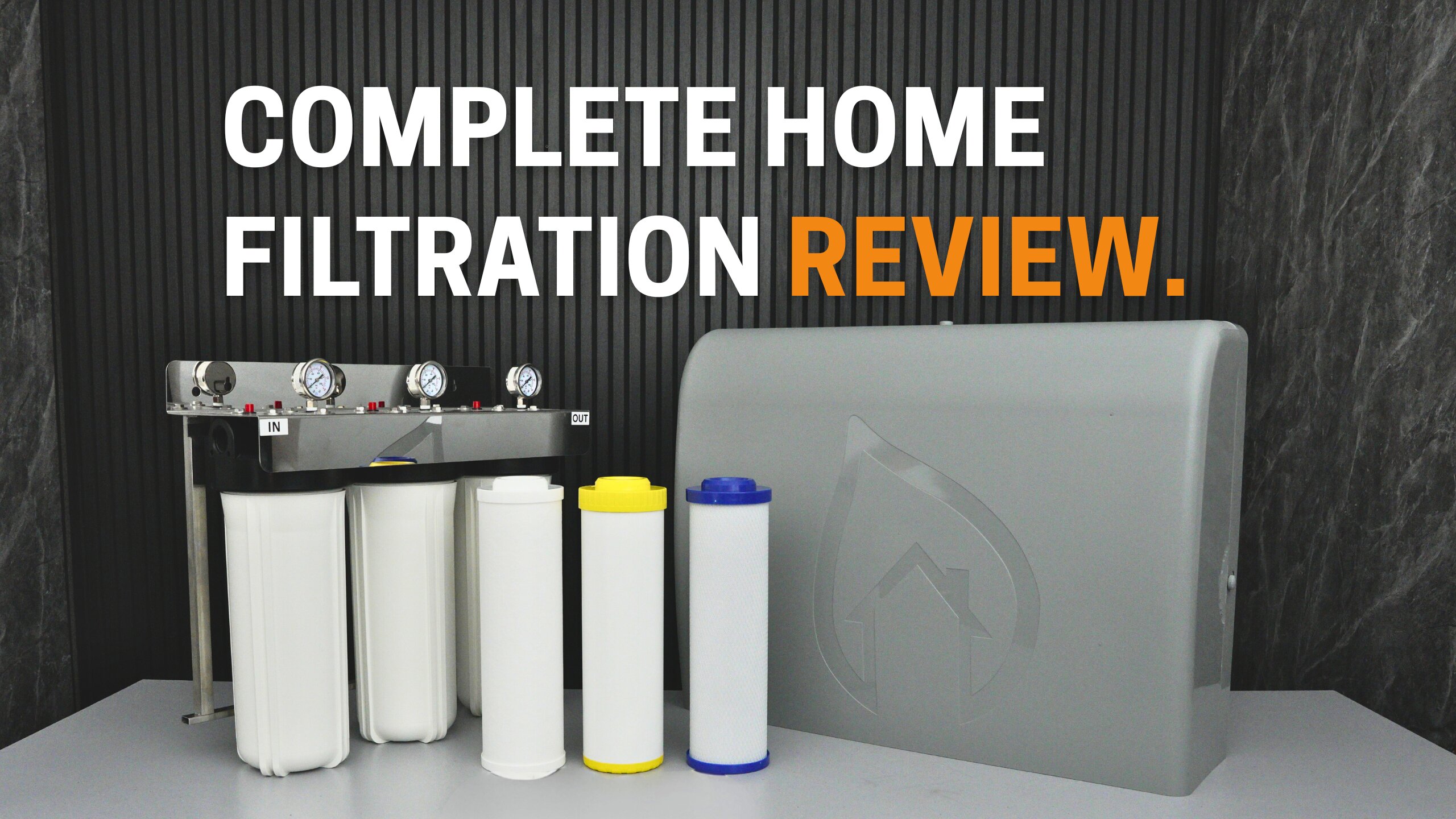
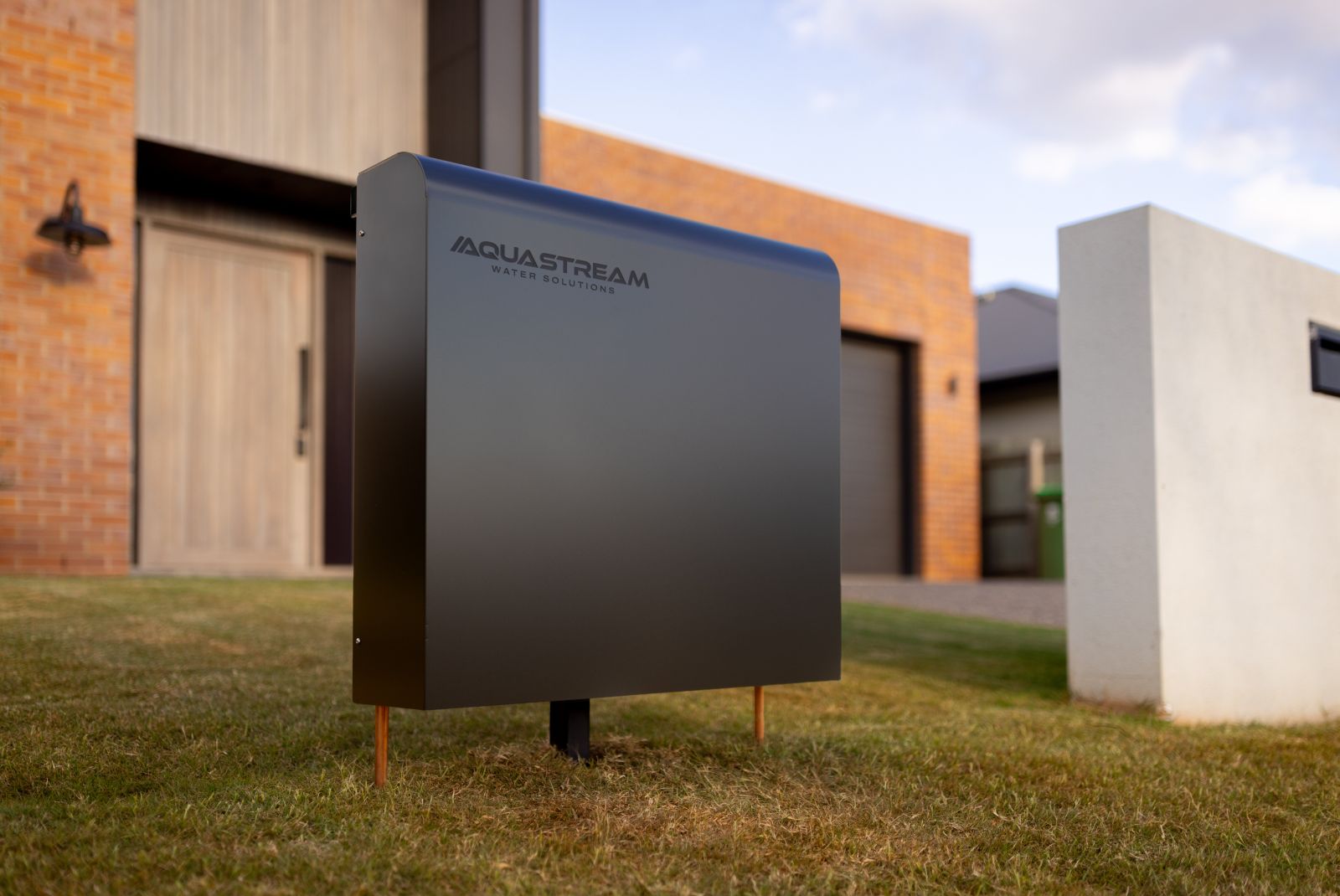
The TRIO.2 whole home system treats the water where it comes into your house, so the coffee machine, kettle and hot water system all get the same water. The first two stages take out sediment and the chlorine taste and smell.
The ScaleStop cartridge then leaves the minerals in your water but changes them into tiny crystals that don’t easily stick to hot surfaces. You keep the minerals that give your coffee its flavour, and nothing is added. You'll still find a little scale in the machine, but it's a soft powder instead of the hard, concrete-like layer that burns out elements. If you’d like to read more, there is a full article on how ScaleStop compares with a water softener in our Learning Centre.
Ready for beautiful water from every tap in your home?
Learn more about the TRIO.2 system