November 05, 2026
5 Reasons Your Water Tastes Funny & How to Fix It
Most funny tastes in tap water are harmless, but a few are w...

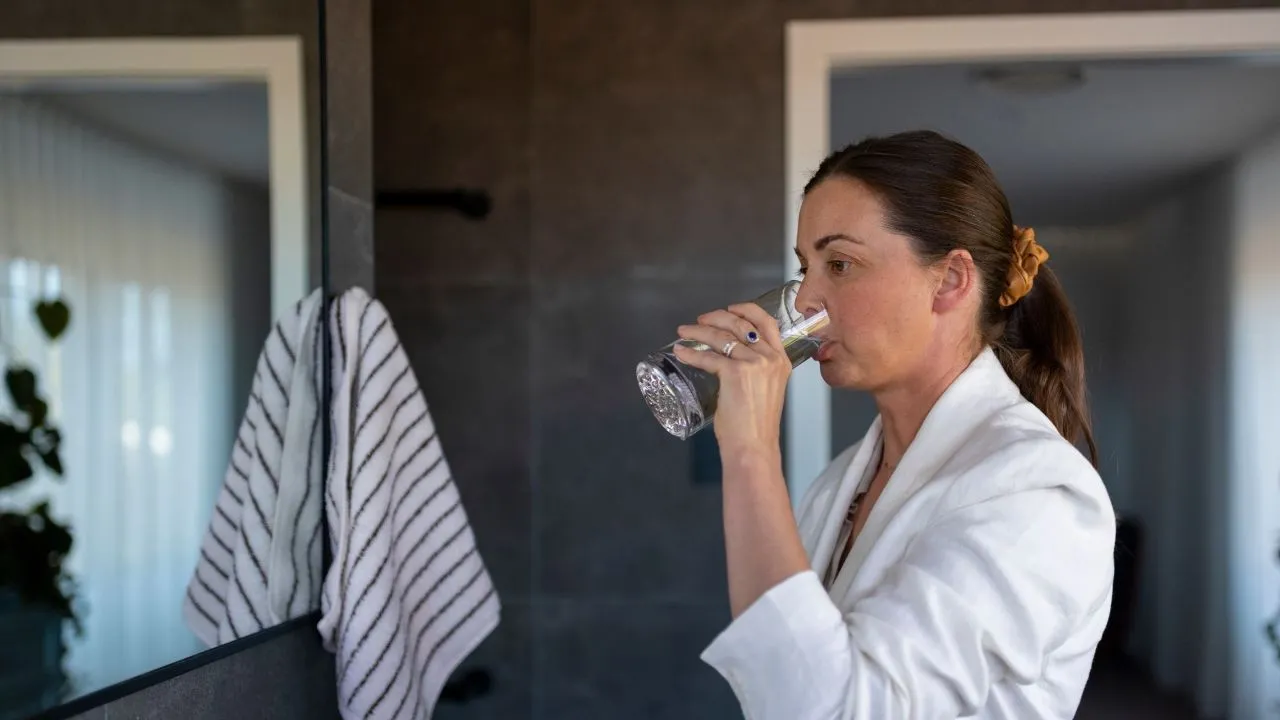
Tap water usually tastes funny for one of five reasons: chlorine, algae, salt, metal corrosion or plastic. Each tastes different, so what you’re noticing can tell you a fair bit about where the taste is coming from and whether it’s worth doing anything about.
Water treatment plants add chlorine or chloramine to town water to kill bacteria. Most people get used to the taste and smell, but you'll often notice it if the treatment plant puts in more disinfectant than usual.
Chlorine is often strongest on a Friday afternoon. Our team tested the town water in Toowoomba, QLD over three weeks and saw the same pattern each week. Treatment plants often lift the dose before the weekend so the level can't drop below safe levels before staff are back on Monday.
Chlorine also tastes and smells stronger when there's more dirt and organic matter in the water because of the reaction that occurs when organic matter mixes with chlorine. That reaction creates disinfection byproducts, which are new chemicals formed as the chlorine breaks the organic matter down.
At normal levels chlorine is safe for most people, but some people find it gives them itchy skin or dry hair and skin and would rather not breathe in the chemical vapour in hot showers. A whole-home filter system with a carbon filter removes the taste, and stops the chemical vapours before they enter your home.
If you already have a filter and the chlorine taste has come back, check the age of the filter. The carbon is most likely used up and the cartridge needs replacing.
An earthy, muddy taste usually comes from geosmin, a natural compound made by algae in the dams and reservoirs that supply town water. It peaks in the warmer months, when water levels drop and the water is warmer, which promotes algae growth.
It won't hurt you, but it's one of the harder things for a treatment plant to remove, so a little can reach your tap even when the plant is working normally.
A water softener removes the minerals that make water hard, but as part of the process it releases sodium (salt). If you have a water softener, this could be the reason you’re noticing a salty taste in your water.
Softeners also contain resin which is tiny plastic beads which attract and catch the minerals. This resin is cleaned periodically by soaking it in salty water. If your town water pressure is low, it often can't rinse all that salty water back out, and some of it ends up coming out of your taps. Most water softeners require at least 170 kPa of water pressure to work properly. If you notice a strong taste of salt and your pressure is low, you may need a pressure booster pump to be fitted before the softener.
Some towns are supplied with seawater that has been filtered to make it drinkable (AKA “desalinated water”). The water treatment plant takes out as much salt as it can, but there's always a little left in, and some people can taste it.
Water can pick up a metallic taste when it sits in contact with metal, particularly when the water isn’t well balanced with minerals. The taste mostly comes from the copper pipes feeding your home, or if you have a chilled drinking water system, the welds in its stainless steel tank, which are usually the first part to corrode. You’ll most often notice it in your first glass of water in the morning, after the water has sat in the pipes overnight, and running the tap for 30 seconds usually flushes it out.
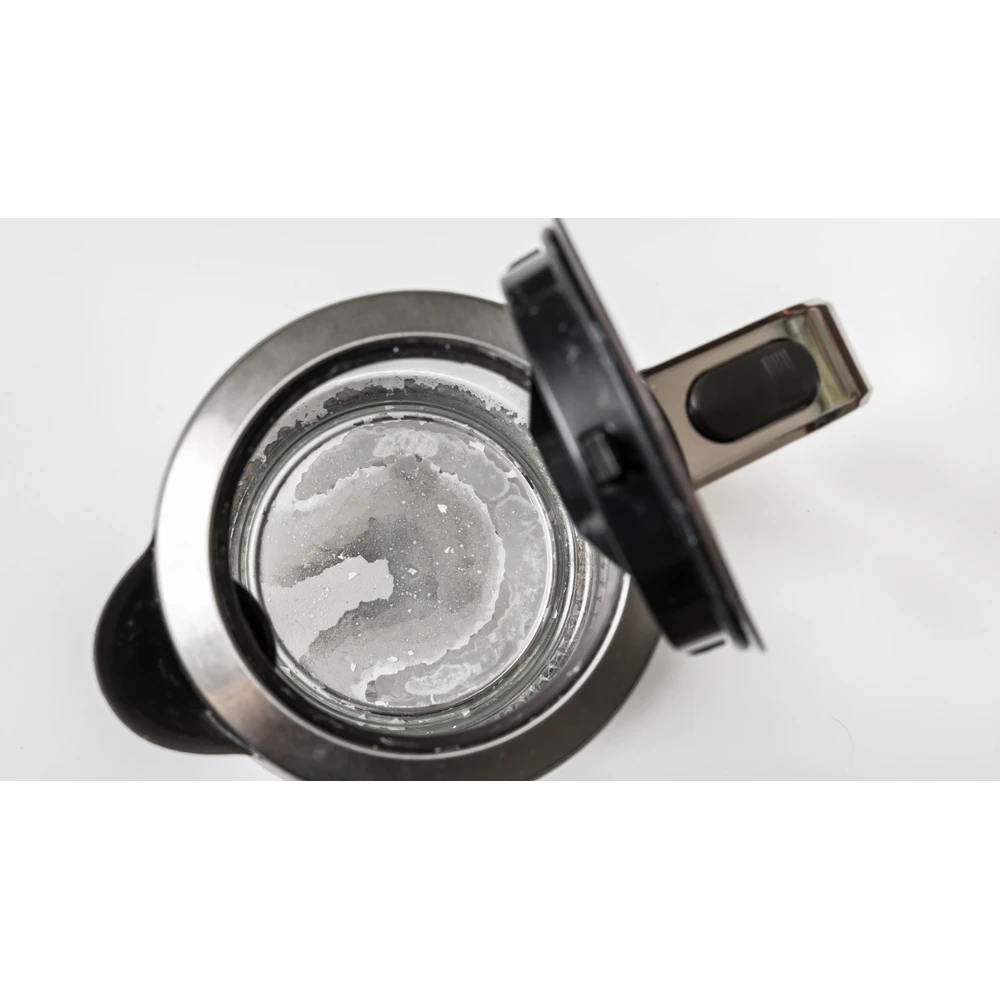
Blue or green stains on your basins, shower or toilet are one of the main signs that copper is leaching from your pipes. New copper pipe often makes water taste metallic for a while, but this usually settles down once a thin protective oxide layer forms on the inside. If you have a water softener, sometimes this layer doesn’t form well, which is why in many cases the Aquastream HiFlow Scale Protection Cartridge can be a better choice for homes with copper pipes.
We’ve also seen electrical current running through copper pipes corrode them from the inside. Those customers noticed a strong metallic taste, and two of them had pinhole leaks in their pipework. If you suspect electrical wiring is in contact with your plumbing, call an electrician.
High copper levels can upset your stomach, so if the metallic taste doesn’t go away on its own, and you’d like advice specific to your situation, call one of our water experts on 1800 446 500.
Plastic water bottles can give water a plastic taste, especially once they've been left somewhere hot like a car. Heat speeds up the breakdown of the plastic, so plastic chemicals and tiny plastic particles (microplastics) end up in the water you drink.
Never leave plastic water bottles in the car or anywhere they'll heat up. A refillable stainless-steel bottle avoids the problem. Standard town water has far fewer microplastics than plastic bottled water. If you have a water filter system this is the simplest solution, meaning you can fill up reusable bottles with microplastic-free water.
Hot and boiling drinking water taps sometimes have a boiler tank made of plastic. That plastic can leach a plastic taste into the water. If you're looking at buying a boiling water tap and this matters to you, consider a brand with a stainless-steel tank, such as an Insinkerator steaming water tap.
A whole-home filter treats the water where it comes into your house, so every tap and shower gets filtered water, not just the kitchen.
How it can help:
It won't fix:
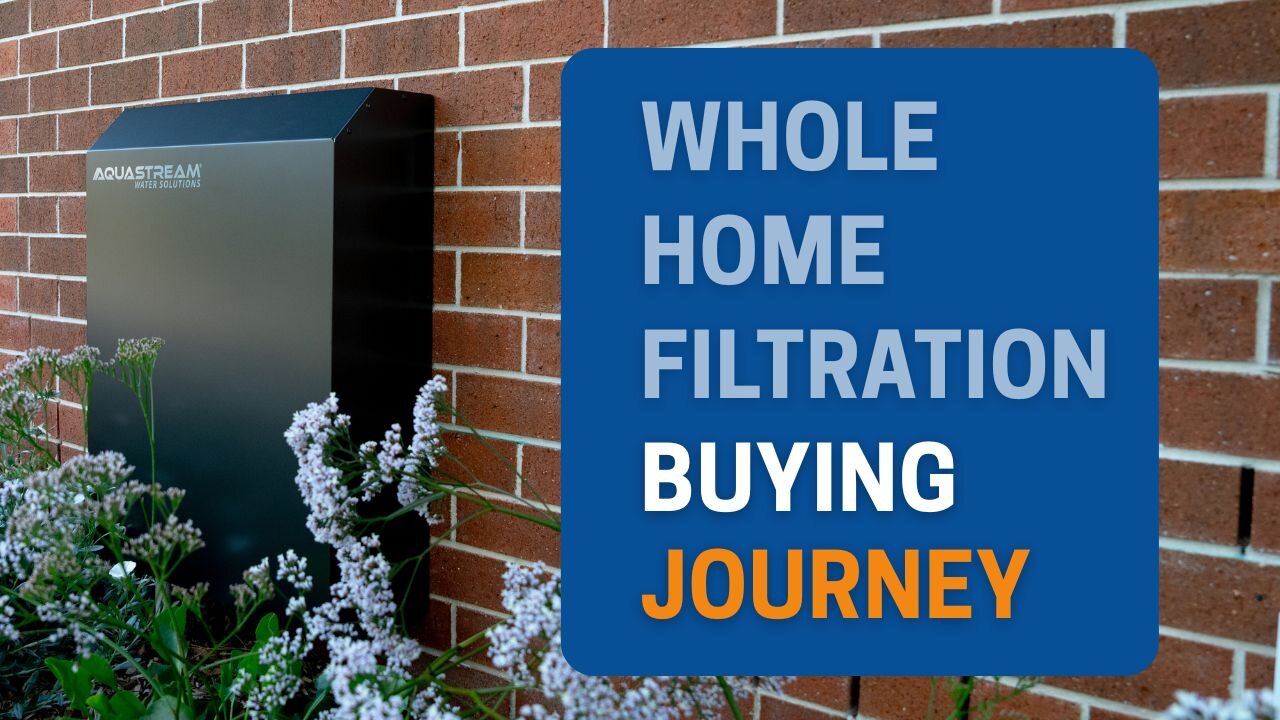
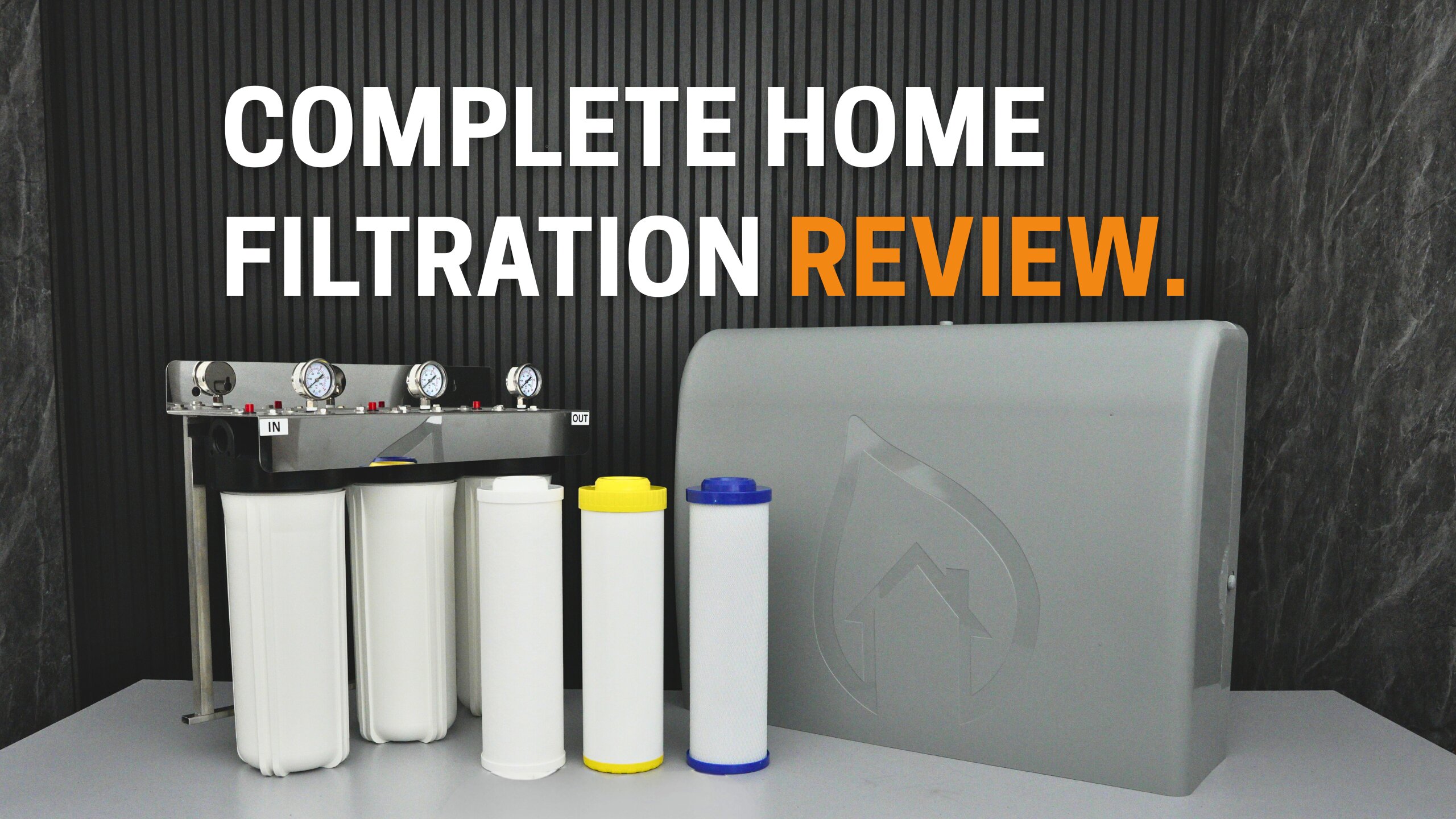
If you’re interested in filtered water from every tap in your home, check out the Aquastream TRIO.2 Whole-Home Filter System.
LEARN MORE