October 01, 2026
Water That Brews Great Tasting Coffee Without Scaling Your Espresso Machine
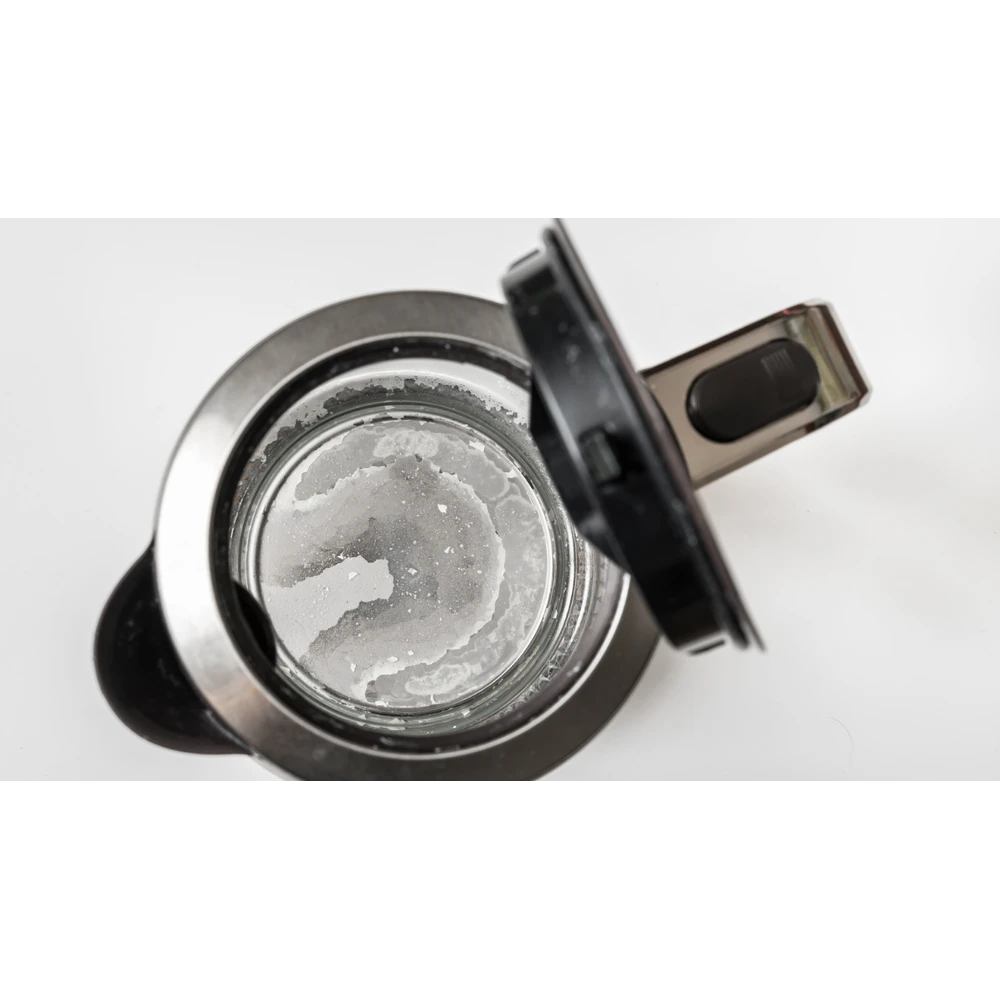
The minerals that give espresso its flavour also build scale...


If you're looking into whole-home filtration, you've probably been reading about chlorine, hard water, or the chemical smell in your shower. Sediment most likely isn't on your list, and people rarely ask us about it, because in general the water coming out of the tap looks perfectly clean and clear.
This article explains how sediment gets into your water supply and 6 benefits of removing it with a water filter.
Sediment is the dirt, sand and rust your water picks up on the way to your house from the treatment plant. Water leaves the plant (mostly) clean, then travels kilometres through buried pipe to reach you, and in most suburbs that pipe was laid decades ago and nobody has seen the inside of it since.
It builds up as a coating on the inside wall of the pipe, right through the network rather than only in the low sections. Changes in water pressure can dislodge this sediment, which ends up coming into your home. Another common source is when dirt comes into the waterlines from nearby construction works. Sometimes there is enough of it to see in the glass, and the rest of the time it arrives a little at a time without anyone noticing.
Microplastics travel the same route, some of them carried from the source water and some worn off plastic pipe and fittings along the way.
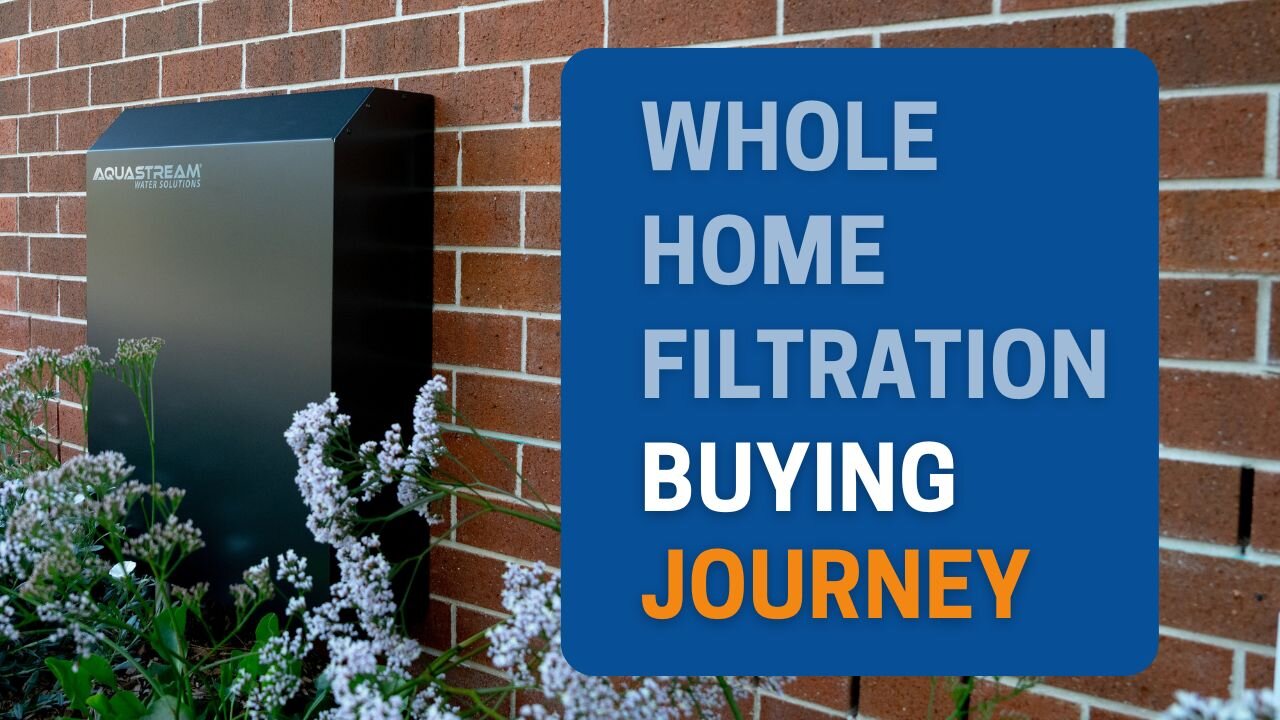
Sediment is the easiest thing in your water to deal with, because a particle is a physical object and a filter is a physical barrier that catches it, using nothing but the water pressure you already have. Every Aquastream whole-home system starts with a sediment cartridge where the water comes into your house, so the grit gets held back before the rest of the system has to deal with it. The standard cartridge is rated to 5 microns, finer than anything your eye can pick up.
Will a sediment filter stop rust stains in my toilet? Sometimes not. Rust already floating in the water gets caught, but dissolved iron passes straight through a sediment cartridge and only turns into rust once it hits the air, which is why the bowl goes orange again a fortnight after you scrub it. That needs treatment of its own.
Does a sediment filter reduce my water pressure? A new cartridge makes very little difference to your flow. The drop off comes as it fills with grit, and that's the signal to change it rather than a fault.
Is a 1 micron filter better than a 5 micron filter? There's a tradeoff. A 1 micron cartridge holds back finer particles than a 5 micron one, and it also blocks up faster, so your flow drops sooner and you replace it more often.
Finer does catch more, and that difference is real. Most microplastics measured in drinking water are smaller than 20 microns, so dropping from 5 to 1 holds back a share that would otherwise go through. The two cost about the same to buy though, so “five times finer” sold as a premium upgrade is a different point on the same tradeoff, not a better product.
We run 5 microns as standard because a 1 micron cartridge can load up in a couple of months if you have high sediments. If you want finer filtration, we recommend underbench filtration specifically for your drinking water, although we can easily swap the 5 micron filter in your whole-home system for a 1 micron filter if you prefer.
Does rainwater need more filtering than mains water? Rainwater needs different stages, because a tank collects whatever lands on the roof: dust, leaf matter, rust off an older steel roof, and droppings from birds and bats. Mains water arrives disinfected and rainwater doesn't, so our rainwater systems run ultraviolet light after the filters, and that light only works once the sediment is out of the way.
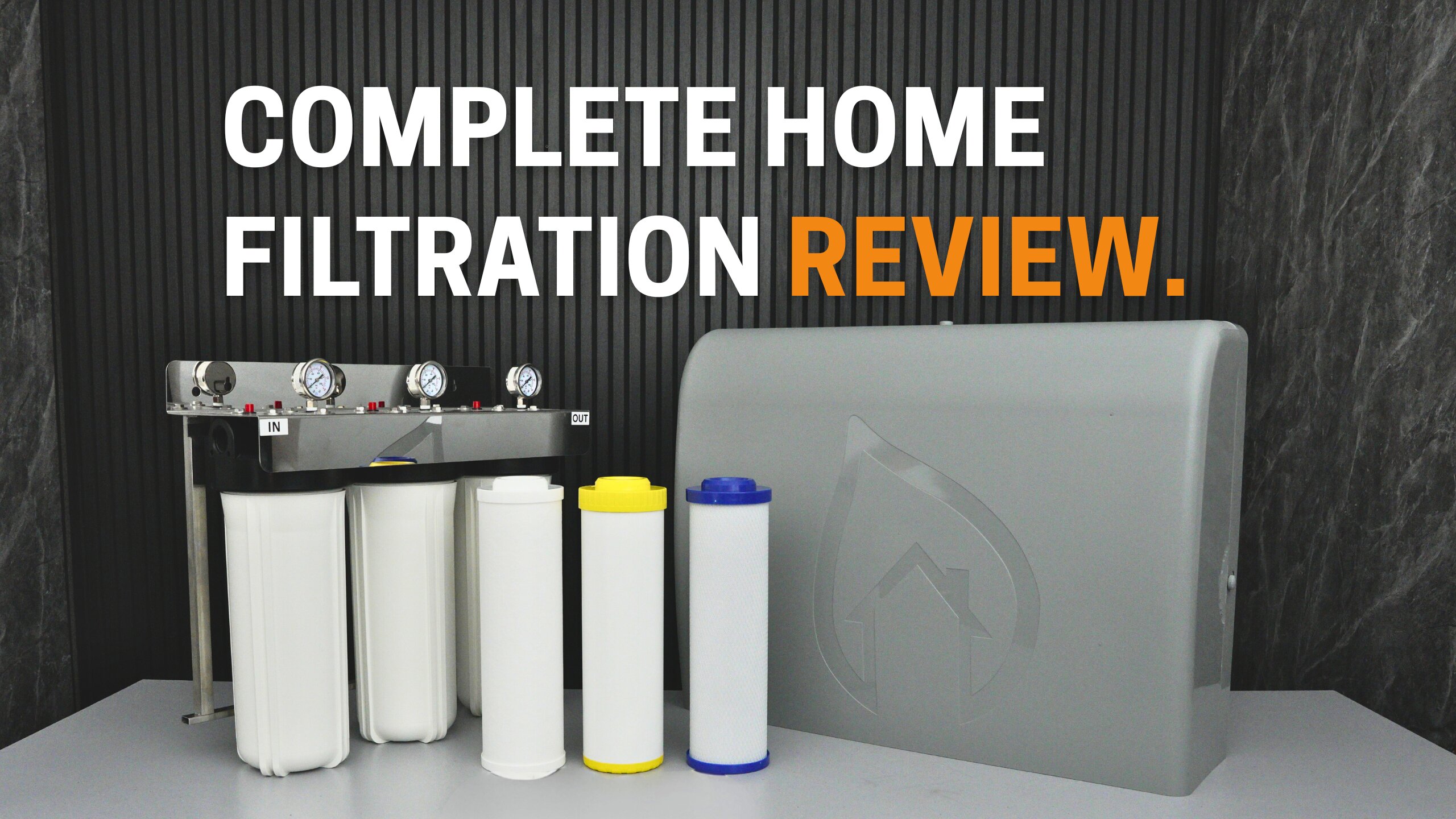
Sediment filtration is usually the first stage in a whole-home filtration system. Whole-home filtration systems usually have 3 stages for comprehensive water treatment, ensuring you can enjoy beautiful water with complete confidence.