November 13, 2026
Chemicals in Tap Water: Where They Come From and 5 Benefits of Filtering Them Out
From chlorine to PFAS: what chemicals are in Australian tap ...

THE TYPHOID SEASON. A CONTAMINATED WATER SUPPLY. SIX HOUSES CONDEMNED.
That was the headline in The Age in January 1899, after typhoid swept through Elsternwick in Melbourne. Health officers traced the outbreak to the suburb's mains water supply. Not long after, cities began adding chlorine to their water, and typhoid all but disappeared.
Today, we're fortunate to have a treated water supply that's free of harmful bacteria, thanks to chlorine and chloramine, two powerful disinfectants used in Australia.
But they're not the only chemicals in our tap water. There are also traces of unwanted chemicals that health authorities monitor and keep below permissible levels, including disinfection by-products, pesticides, herbicides and, in some areas, PFAS. Most town water also has fluoride added to help strengthen teeth.
This article explains where each of these chemicals comes from, and why people who filter them out with Whole-Home Filtration notice better-tasting water, less skin irritation, and healthier hair.
Sometimes. Tank water isn't chlorinated, but it can still pick up chemicals. In rural areas, spray drift from nearby paddocks settles on the roof and washes into the tank when it rains. In built-up areas, raindrops collect pollution from the air as they fall.
The good news is, chemicals can be easily filtered out with a carbon filter.
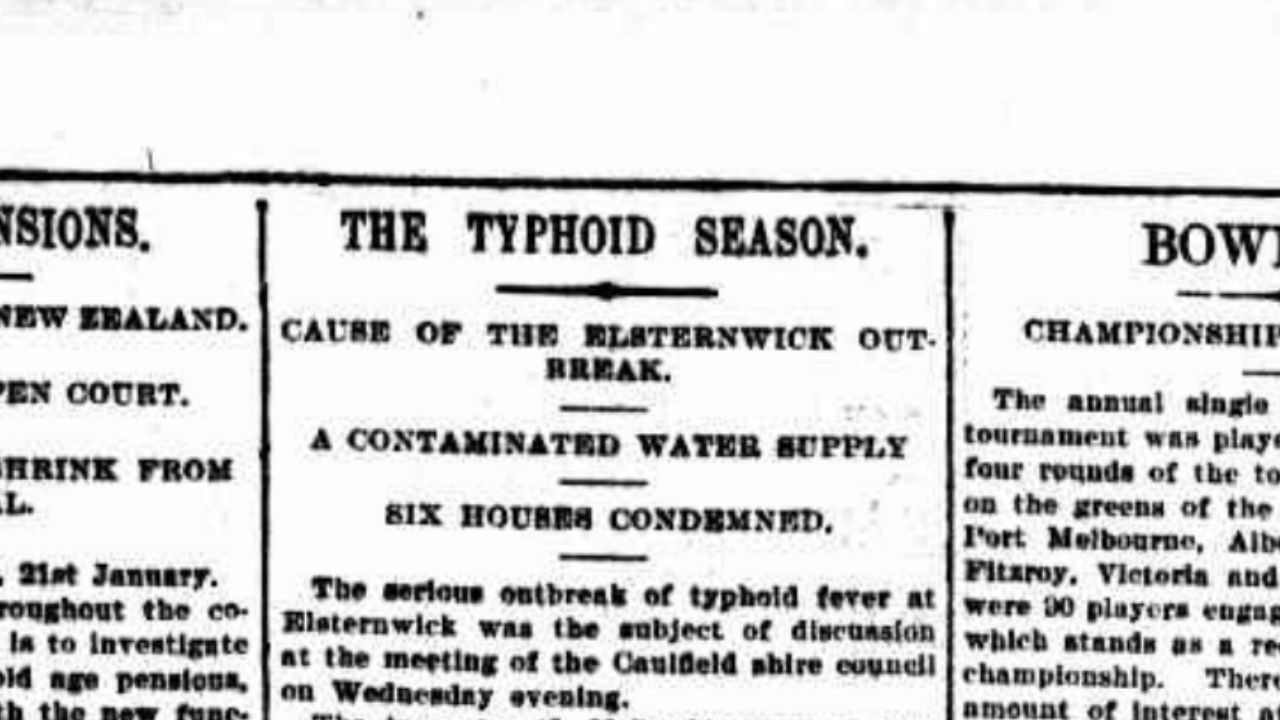
The Aquastream TRIO.2 Whole-Home Filtration system has a carbon block cartridge in its second stage, which removes around 95 to 99% of chlorine. In areas that use chloramine, we install our dedicated chloramine reduction cartridge instead.
Carbon also reduces disinfection by-products. Councils keep them below the safe limits set for drinking water, but many people choose to filter their water to remove them.
I've worked at Aquastream for over seven years, and if I could only use one filter, it would be a carbon filter. Removing chemicals is where I see the biggest difference in customers' lives.

1. Less skin irritation. Hot showers open up your pores, and chlorine dries out the skin. Many of our customers notice less itching and dryness, and that matters most for young kids with sensitive skin.
2. Healthier hair. Chlorine strips the natural oils from your hair. Without it, hair stays softer and holds its colour longer.
3. Better taste, no chemical smell. Hot showers release chlorine as vapour, which is why the bathroom can smell of chemicals while the shower's running. Once you filter your water, you'll no longer notice that smell. You'll also notice the difference in a glass of water, a cup of tea and your cooking.
4. Easier on the stomach. Some people notice their gut feels better once they're drinking filtered water.
5. Peace of mind. Chlorine, disinfection by-products and traces of pesticides and herbicides are filtered out before the water reaches your family's taps, shower and bath.

How much chlorine does the TRIO.2 remove? Around 95 to 99%.
Does it remove fluoride? No. Fluoride is one of the few things carbon doesn't remove. The one exception is bone char carbon, which is made from crushed cattle bones that are heated and turned into charcoal. We don't sell bone char filters.
Does it take out the good minerals? No. Minerals pass straight through carbon.
What if my area uses chloramine? We install a cartridge made specifically for chloramine.
Do I still need a filter at the kitchen sink? For most people, the TRIO.2 Whole-Home Filtration system provides about 80% of the benefits for drinking water. We install 5 micron cartridges as standard for good flow rates, although the system can filter down to 1 micron. If you want to filter down finer, the TRIO.2 still does the heavy lifting, and an undersink filter at the kitchen tap adds a final polish, taking out even more sediment, microplastics and heavy metals, as well as fluoride if you choose a reverse osmosis (RO) system.
Is bottled water a good way to avoid chemicals? For plastic bottles, no. If a plastic bottle is left somewhere hot, like a car, the plastic can leach chemicals into the water. Glass bottles are a much better choice, because glass doesn't leach into the water. Look for a brand that's labelled as filtered.
How often does the carbon cartridge need replacing? Every eight to twelve months, as a general guide. We recommend changing it at least every twelve months to prevent bacteria building up inside the cartridge. If it needs replacing sooner, you'll notice the chlorine taste and smell coming back.
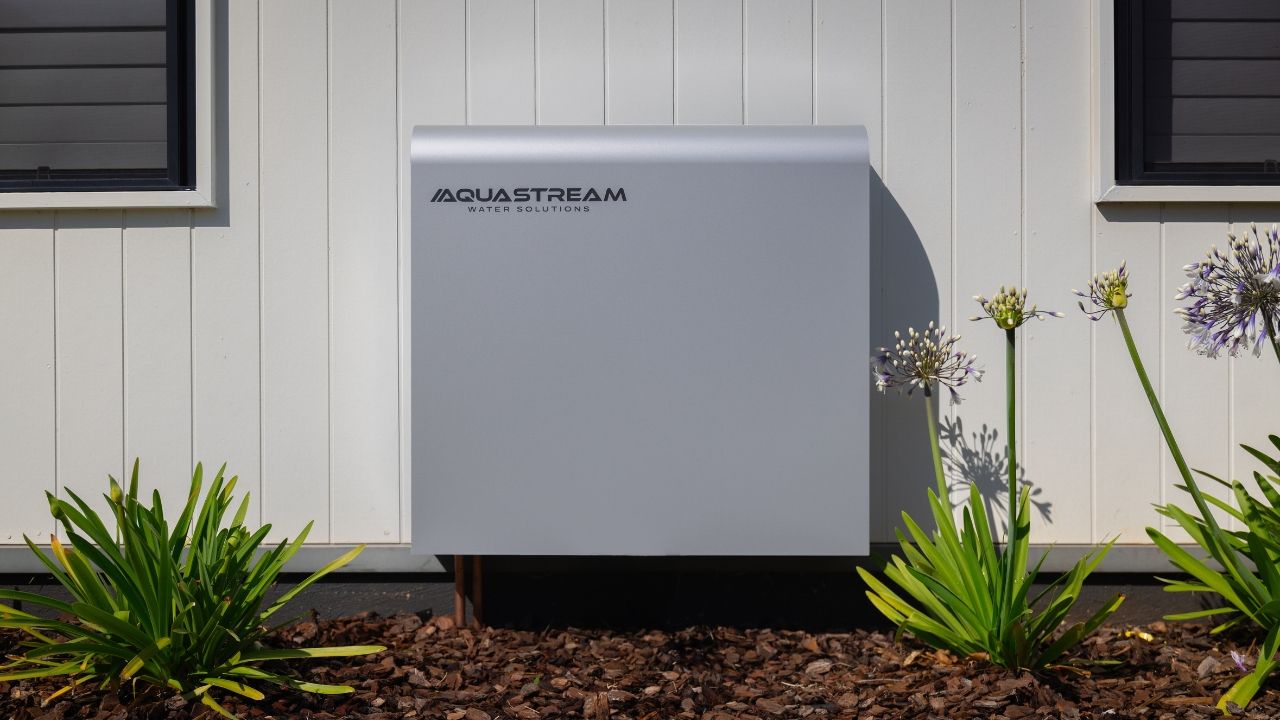
Here at Aquastream, our mission is to help Australian families enjoy beautiful water with complete confidence. The TRIO.2 Whole-Home Filtration system takes chemicals out of the water at every tap, shower and bath in your home, not just the kitchen sink.